
Choosing residential treatment is a brave decision, but it can also feel overwhelming. If your admission is coming up, you might be asking yourself questions like, “What will my days look like?” Will I know anyone? What if it feels too hard?
It’s normal to have these questions and feelings. Crossroads for Women is a top addiction and eating disorder treatment provider in Maine, and their team has helped many women through their first week. Here’s what you can really expect in your first seven days so that you can feel a bit more prepared.
Day One: Arrival and Assessment
On your first day, the focus is on making sure you feel seen and understood, not on starting intense clinical work. When you arrive at Back Cove Women’s Residential Treatment Center, you’ll meet with a licensed counselor for a full assessment. This helps the team understand your needs and create a treatment plan just for you.
If medication is part of your picture, a medication-management evaluation is available, too. Staff will show you around, introduce you to faces that will become familiar over the coming weeks, and help you settle into your room. Feeling tired on this first day is common, but showing up is the only requirement.
If you’re entering the Children and Mothers Residential Program (CAMP) with a child, your first day also includes getting your child settled into on-site childcare, meeting the team who will support both of you, and beginning to build the same sense of safety for them that you’re building for yourself.
Days Two and Three: Finding the Rhythm

By your second or third day, you’ll start to notice a routine forming. Residential treatment is built around structure for a reason. Regular mealtimes, group sessions, and quiet hours help reduce some of the stress of decision-making so that you can focus on healing.
You’ll begin attending group therapy, where topics range from early recovery skills and managing emotions to trauma, nutrition, and relapse prevention. Groups might seem intimidating at first, but many women find that hearing others share similar experiences helps recovery feel possible.
You’ll also start individual counseling with a master’s-level clinician trained in trauma-informed, gender-responsive care. Together, you and your clinician will begin shaping a plan built around your specific needs, whether that’s substance use, disordered eating, co-occurring anxiety or depression, or trauma history.
What About Meals?
Many women are surprised by how much care goes into the food at Back Cove. Chef Sue Ellen Sevigny runs the kitchen after spending 20 years working with at-risk youth and building an extensive career as an executive chef and caterer before finding her calling at
Crossroads five years ago. For women navigating recovery from substance use and eating disorders, her cooking gives them a sense of being cared for, often for the first time in a long while.
For many women, especially those dealing with disordered eating and addiction, having a thoughtfully prepared meal can be a small but important step in healing. In your first week, simply coming to the table each day is all that’s expected.
Days Four Through Six: Settling and Connecting
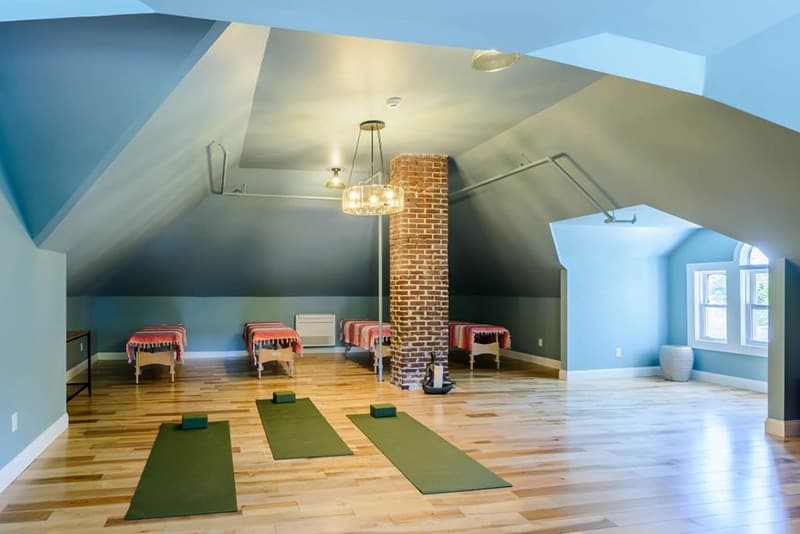
By midweek, most women notice a change. The confusion of the first days fades, and you start to recognize people, remember names, and feel more comfortable in groups. You’ll probably begin 12-step work, with daily meetings at the center or in the community, helping you build a support network for the future.
The emotional work also tends to intensify during this stretch. As the fog of early withdrawal or crisis lifts, feelings that were being managed by substance use or disordered behaviors often surface for the first time in months or years. That can feel like a step backward, but clinicians generally see it as a sign that treatment is working the way it should.
If your schedule includes it, equine-assisted therapy at Carlisle Academy offers a different way to process your experiences. Working with horses through grooming, leading, and ground activities helps many women build trust and communication skills that talk therapy may not always reach.
Women in CAMP will also begin to settle into a routine that includes parenting education alongside their own recovery work. They learn how to support their child’s development while building the coping skills needed for recovery.
Day Seven and Beyond: Family and the Road Ahead

Family involvement usually starts near the end of your first week. Crossroads connects your family with a clinician who provides weekly updates and helps everyone prepare for aftercare. If your loved ones want to understand your experience, they can join family therapy sessions and Al-Anon meetings to learn and get involved.
By the end of the first week, most women feel a different kind of tired; not the exhaustion from crisis, but from doing real work. You probably won’t feel completely better yet, and that’s okay. But you’ll likely feel more like yourself and have a better sense of the people and routines around you.
Taking the First Step
The first week of residential treatment is rarely easy, but it doesn’t have to be scary. Everything from your first assessment to the meals and group sessions is meant to support you right where you are. To learn more, contact Crossroads for Women today or call 877-978-1667.