
Picture your first group session in treatment. You’re sitting in a circle, and it’s your turn to share. Do you tell the truth? Will people judge you? What if someone in the room reminds you of a person who hurt you?
For many women, these questions are the hardest part of getting help. Recovery asks you to talk about things you may have kept hidden for years, and that’s difficult in any setting. It can feel nearly impossible in a room where you don’t feel safe.
Crossroads for Women is a trusted addiction and behavioral health treatment provider in Maine, and their team has seen firsthand how much easier it becomes for women to speak openly when they’re surrounded by other women. Keep reading to learn how a women-only partial hospitalization program (PHP) can help you finally say the things you’ve been holding in and start on your recovery journey.
Why Opening Up Can Feel So Hard in Early Recovery
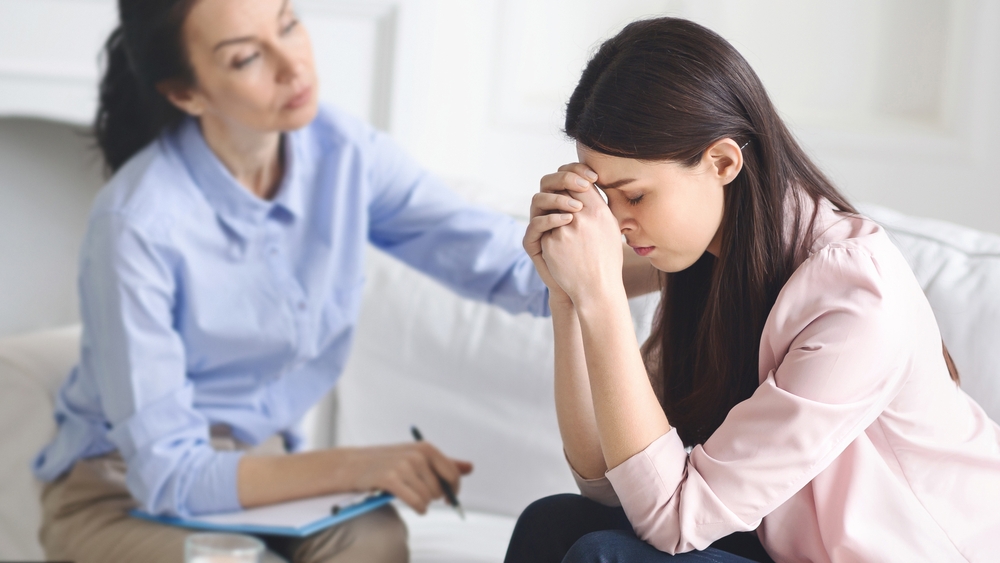
Shame is one of the biggest obstacles women face when they start treatment. Many women worry about being labeled a bad mother, partner, or daughter if they admit how much they’ve been struggling. Others have spent years covering up their substance use so carefully that honesty feels unfamiliar, even risky.
Women also tend to come into treatment carrying different burdens than men do. Substance use is often tied to relationships, whether that’s drinking to keep up with a partner, using to cope with an unhealthy home, or trying to fill a sense of loneliness. These are deeply personal topics, and they don’t always come out easily in a mixed group.
It’s no surprise that women make up a small share of the people in many treatment centers. That isn’t because they struggle less. Fear of stigma, worry about their children, and discomfort with receiving treatment alongside men all keep women from reaching out.
What Is a Partial Hospitalization Program?
A partial hospitalization program bridges the gap between residential treatment and an intensive outpatient program (IOP). Sessions usually run full days, five days a week, so you get strong structure and clinical support. In the evenings, you go home and get to sleep in your own bed.
Some women step into a PHP after completing residential care because they still want daily support. Others start with a PHP because they need more than a few hours of therapy a week but can’t be away from home overnight. As you build skills and confidence, you can gradually scale back your time in treatment and move into an IOP.
Throughout the program, you’ll attend multiple therapy sessions each week. Counselors help you work through cravings, triggers, and the thought patterns that have been holding you back.
How a Women-Only Group Changes the Conversation

When everyone in the room is a woman, the conversation tends to shift. Topics like self-image, relationships, sexuality, motherhood, and body image come up more naturally, because the other women in the group often understand them from their own lives.
That shared understanding matters. Hearing another woman describe the same guilt you’ve felt or the same pattern you’ve fallen into can make your own story feel less shameful. Many women find that once someone else says it out loud, it’s much easier to say, “Me too.”
This is the idea behind gender-responsive treatment. Crossroads for Women only treats women, so every program can focus on the issues most relevant to women’s lives.
Feeling Safer When Trauma Is Part of Your Story
For many women in recovery, substance use and trauma are closely linked. Drugs or alcohol may have started as a way to numb painful memories or survive a difficult relationship. If some of that harm came from men, sitting in a mixed group can make it hard to relax, let alone open up.
A women-only PHP removes that barrier. Without staying on guard, you can put more energy into healing. Clinicians at Crossroads for Women use a trauma-informed approach, which means they understand how past experiences shape the way you respond to stress, relationships, and treatment itself.
If you’re also living with PTSD, anxiety, or depression, dual diagnosis treatment addresses your mental health and substance use together. Lasting recovery depends on caring for the whole person, not just one part of the problem.
Going Home Each Evening and Practicing What You Learn
One unique strength of PHP is that you spend your days in treatment and your evenings in your real life. That can make group sessions even more meaningful. You may walk in the next morning with something that happened at home the night before, such as a tense conversation, a craving, or a moment you handled better than you expected.
Bringing those experiences into a group of women who understand can help you process them while they’re still fresh. Over time, you start to see your progress in everyday situations.
This setup also makes treatment more realistic for women with family responsibilities. Being home each evening means you don’t have to step away from your children for weeks at a time. A women’s PHP is also designed with those responsibilities in mind, from scheduling to transportation and childcare support.
Building Connections That Last Beyond Treatment

The relationships you build in a women-only PHP often become one of the most valuable parts of recovery. Seeing the same women day after day creates a sense of trust that’s hard to find anywhere else. You celebrate each other’s small wins, notice when someone is having a hard day, and learn what healthy, supportive friendships can look like.
For women whose substance use was tied to unhealthy relationships, this can be a turning point. Practicing honesty and connection in a safe space helps you carry those skills into your friendships, your family, and your life after treatment.
Many women stay in touch with the peers they met in treatment as they transition into IOP and beyond. Having people who truly understand what you’ve been through can make the road ahead feel a lot less lonely.
You Deserve a Space Where You Can Be Heard
Opening up in recovery takes courage, and you shouldn’t have to do it in a room where you feel unsafe or misunderstood. A women-only PHP gives you the structure of daily treatment, the freedom to go home each night, and a group of women who are walking a similar path.
If you’re unsure whether your insurance covers treatment, you can verify your benefits confidentially before you commit. To learn more about the women’s partial hospitalization program, contact Crossroads for Women today or call 877-978-1667.